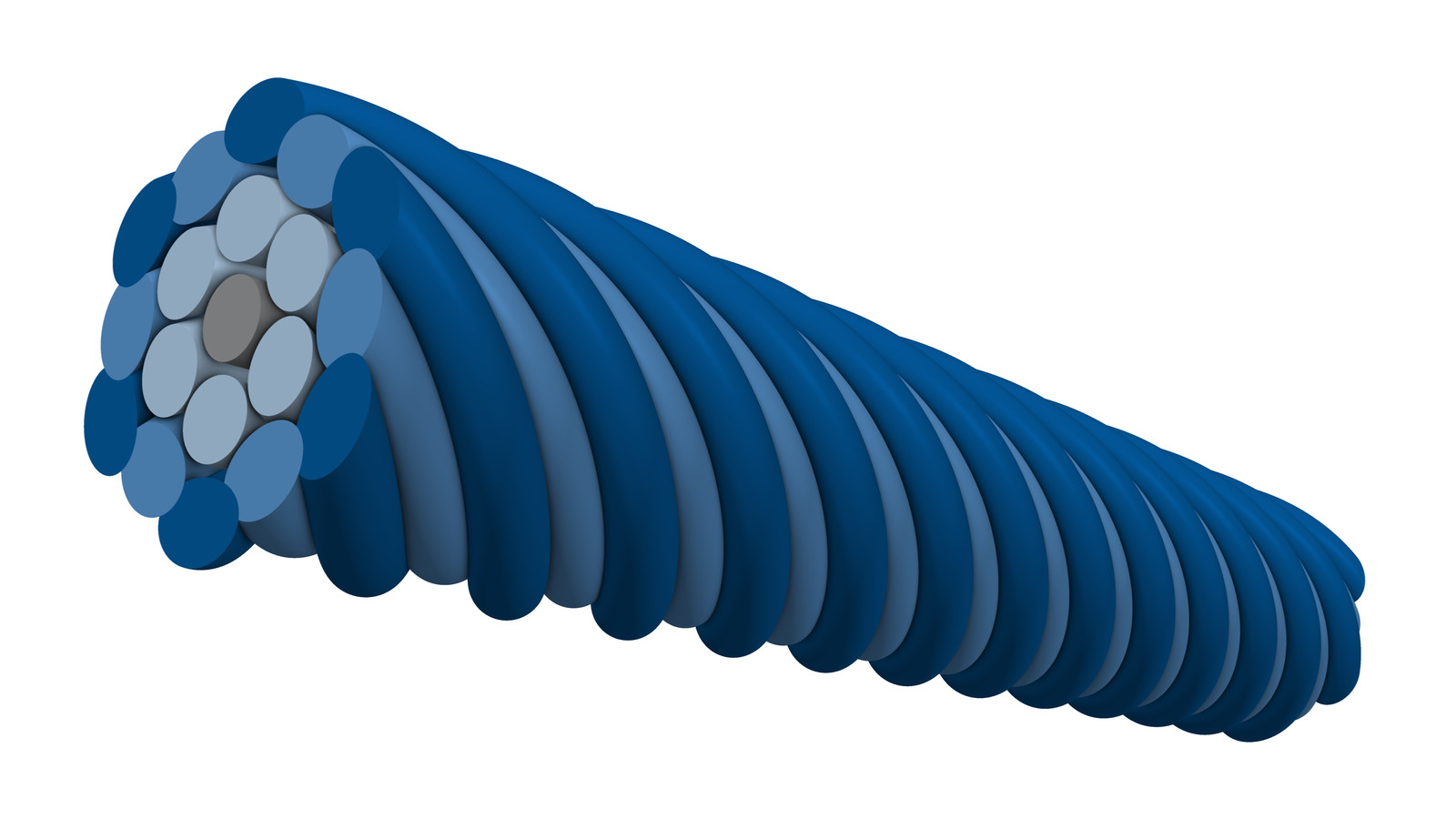
GeoDict, the simulation software by Math2Market, has generators for many structures. A geometry without one can be built quickly with the GeoDict Copilot and an engineer who knows the structure. The result is a GeoDict macro that can be run again with other parameters or turned into a GeoApp.
I showed this at the GeoDict Innovation Conference 2026. The task was a rope of 19 twisted filaments with a defined distance between neighbouring filaments, which GeoDict has no generator for. The first rope was ready after about half an hour. After an hour it was a GeoDict macro with the parameters of the rope as variables.
Building the first rope
I asked the Copilot for this rope. It asked whether the distance was meant between centres or between surfaces, and I chose the surfaces. Then it reported several times that no command twists a bundle and that GeoDict’s geometry file could not be used.
I knew that this file stores each fibre as a curve. So I had the Copilot model one curved fibre, save it and read the file, then build a straight bundle and twist its centre lines. Several jobs failed, and I corrected it more than once.
Rope macro and its variables
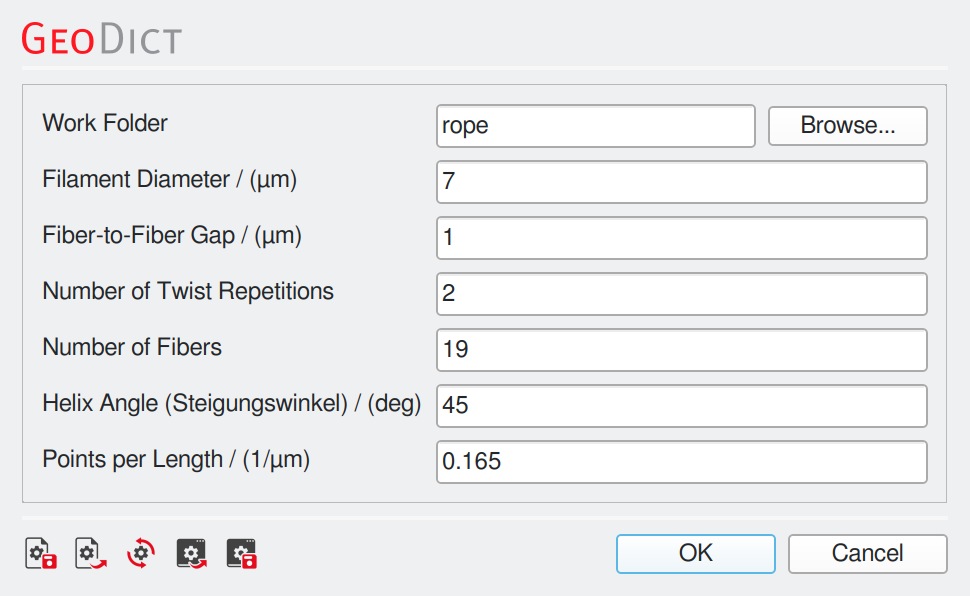
At my request the Copilot then turned the steps into one macro. Among its variables are the filament count, the diameter, the helix angle and the distance between the filament surfaces. I ran the macro from the GeoDict interface, without the Copilot.
With three filaments the first version of the macro wrapped two of them around a straight one. I rejected that, and counts that do not fill complete rings around a core now lie on a single ring.
Macros and GeoApps for other geometries
Macros for other geometries without a GeoDict generator can be developed the same way, with an engineer who says what the structure is and where the Copilot goes wrong.
A macro like this one can be turned into a GeoApp that colleagues with the same GeoDict version start from the GeoApp menu. For the rope macro this has not been done.
Filaments and overlap
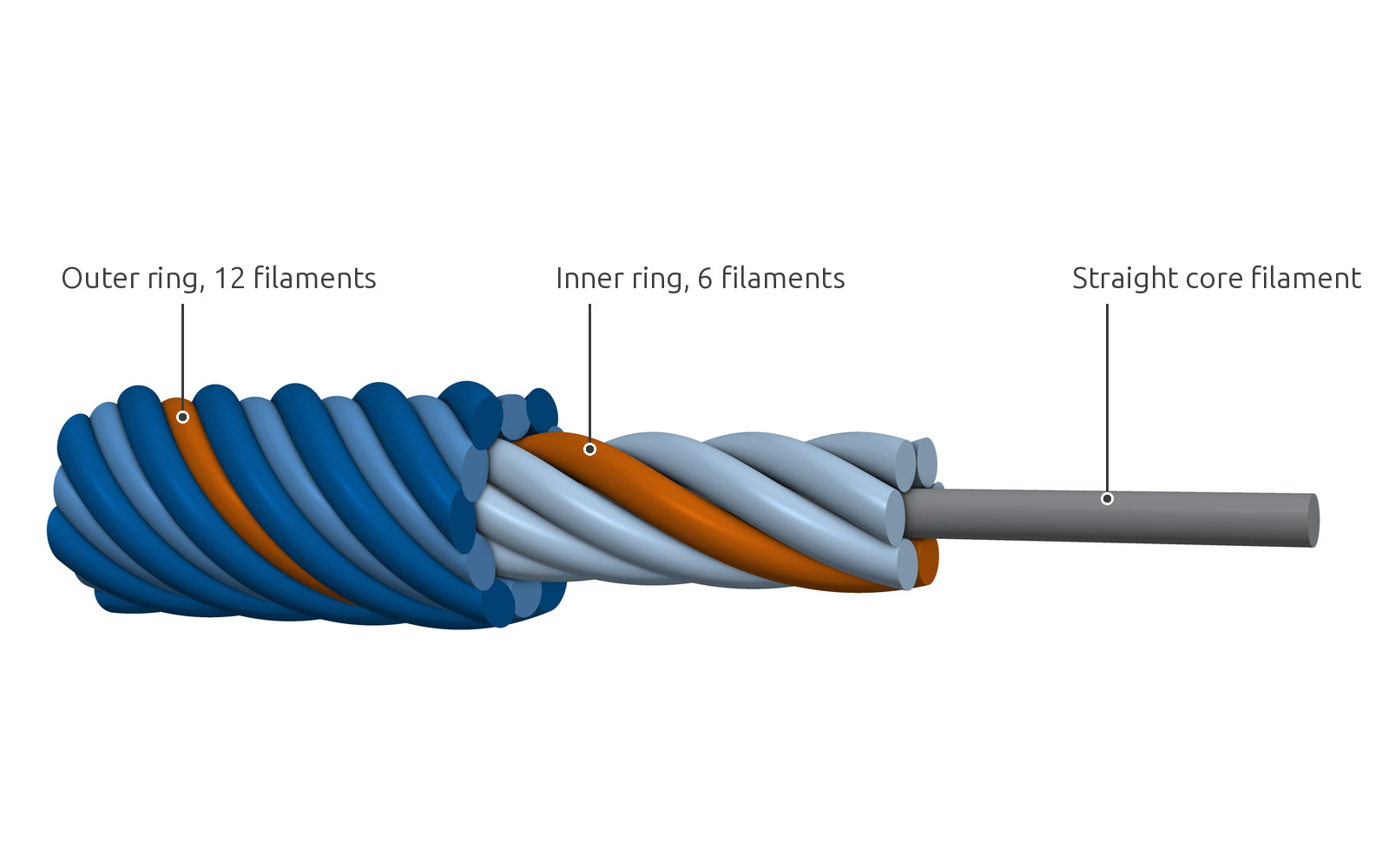
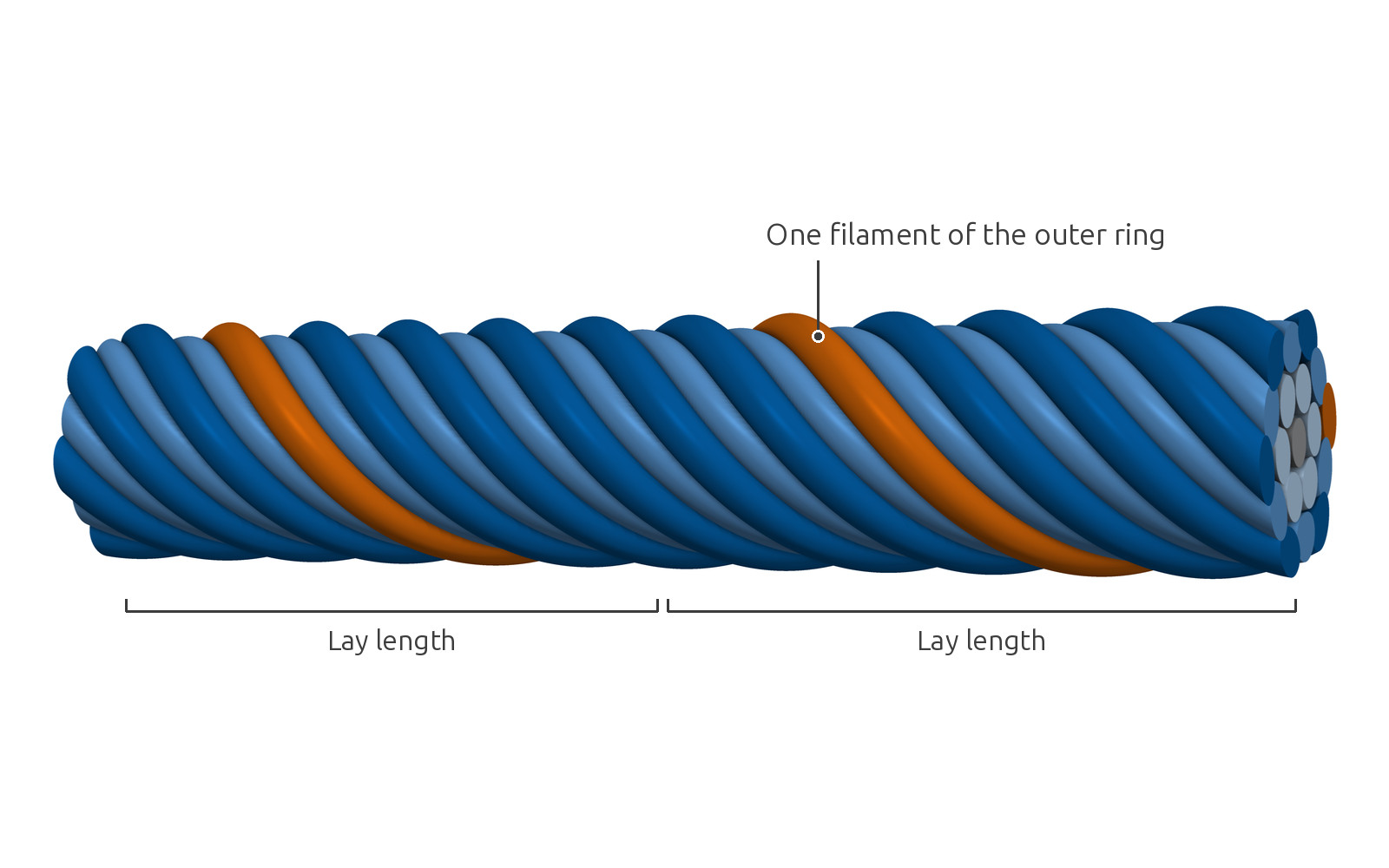
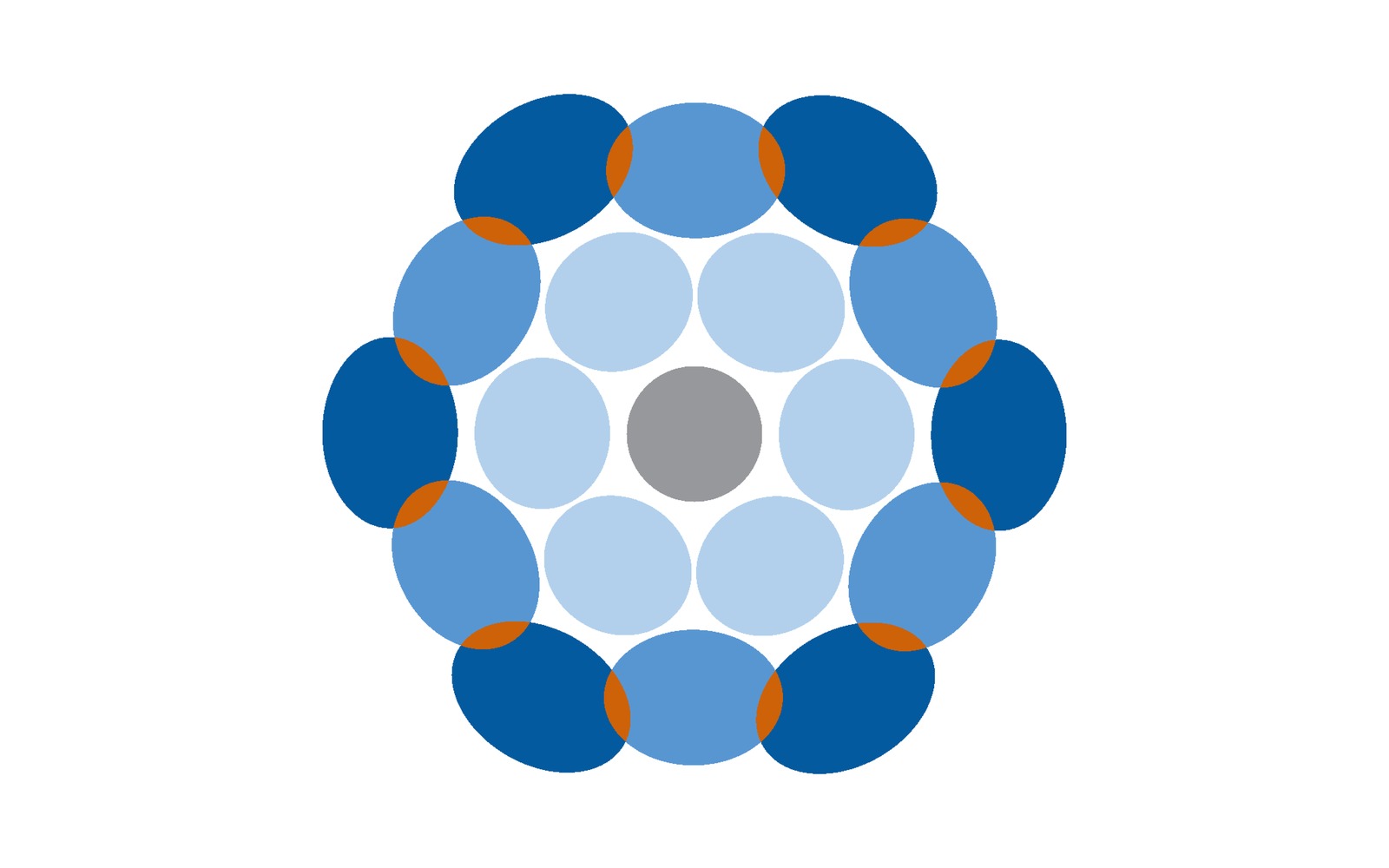
Around a straight core filament lie helical rings of six and twelve filaments. The distance between the filament surfaces is set in a plane across the rope. Along the twist the outer filaments intersect their neighbours, and GeoDict puts the shared voxels into an overlap material.
Limits
Nothing has been simulated on this rope yet. The material is GeoDict’s database polypropylene, and the overlap of the outer filaments needs resolving before a mechanics simulation.
Custom structures in GeoDict
cvt engineering develops such macros and GeoApps for a customer’s own geometries and simulates flow and mechanics on the structures.